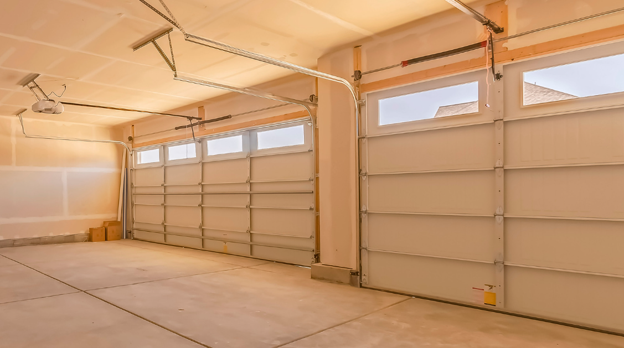
Your garage is basically the biggest “opening” in your house. If it’s letting in drafts, dust, dirt, moisture, or pests, it can make the whole home feel less comfortable (and a whole lot messier).
The good news is you don’t need to be a contractor to do a smart spring maintenance check. You just need to know what to look for, and when it’s time to call a pro for garage door repair in Novato.
This guide is built to be a helpful and easy guide for homeowners to check their garages for vulnerabilities before peak busy season.
Why You Should Check Your Garage in the Spring
Here’s what we’re hearing from homeowners each spring:
- “My garage is always dusty even after I sweep.”
- “There’s a cold draft near the garage entry door.”
- “The bottom corners get damp when it rains.”
- “My stuff smells musty.”
The garage door seal system and the garage envelope (walls, corners, and penetrations) usually let outside elements in.
Spring is the perfect time to check because:
- You can see the evidence after wet weather.
- Warmer days make it easier to air out and inspect.
- You can fix small seal issues before summer heat and heavier daily use.
The 10-Minute Garage Leak Check
Do this once before you deep dive.
Step 1: Look at the garage door from the driveway
- Is the door sitting evenly on the ground?
- Do the bottom corners touch down the same way?
- Do you see daylight at the sides or bottom?
Step 2: Step inside and close the door
Turn off the lights.
- Do you see daylight along the bottom or sides?
- Any bright streaks near the top corners?
Step 3: Follow the dirt
Look for:
- Dust “lines” along the bottom seal
- Little piles of debris near the corners
- Water spotting on the slab near the threshold
If you find any of those, keep going, your garage is telling you where the leaks are.
What to Check if Your Garage is Letting in Drafts
Drafts usually come from gaps. Here are the most common spots.
Bottom Seal
What you’ll notice:
- Daylight under the door
- Cold air at ankle level
- Leaves and dust sneaking in
- Water creeping under during rain
What to look for:
- Cracks, flattening, brittleness, or sections missing
- Corners that don’t touch down
- Seal pulling away from the door
If the seal is torn or hard as a rock, replacement is often the right fix. If the door is uneven on the floor, it might not be a seal issue; it could be door alignment or wear.
If the door doesn’t sit evenly, that’s a good moment to call for garage door repair in Novato, so you’re not guessing.
Side Seals / Jamb Seals
These are the rubber/vinyl strips along the sides of the opening.
Clues:
- Dust trails along the vertical edges
- Rattling sounds on windy days
- Visible gaps when the door is closed
Inspect for tears, warping, or loose fasteners. If it’s barely touching the door, it won’t do its job.
Top Seal
If you see light near the top corners, it can be:
- A warped top section
- Door not closing fully
- Weatherstrip not making contact
Improper adjustment can create new problems. If you’re unsure, this is the time to call a professional.
What to Check if Your Garage is Letting in Dust and Dirt
If you’re sweeping constantly, you’re probably dealing with airflow and gaps.
Tracks and Corners
Dust and grime build up where:
- Tracks meet the floor
- Corners collect spider webs and debris
- Wind pushes fine dust inward
What you can do:
- Wipe the inside of tracks with a dry rag
- Vacuum corners and track bases
- Remove built-up gunk
Generally, you don’t want to grease the tracks, cleaning is good enough. Slippery tracks just grab more dirt.
Gaps That Are Often Forgotten About
Garage doors get blamed for everything, but drafts and dirt can also come from:
- Gaps around hose bibs or pipe penetrations
- Cracks where the slab meets the wall
- Dryer vents or wall vents
- The door from garage to house
A little weatherstripping and sealing around penetrations can make a big difference.
What to Check if Your Garage is Letting in Moisture
Moisture is the one to take seriously, because it can create rust, musty odors, and stored-item damage.
Bottom Corners and Slab Edge Staining
Look for:
- Darkened concrete at the corners
- White powdery residue (efflorescence)
- Peeling paint on lower walls
Check gutters/downspouts outside too. If water dumps near the garage, it will find a way in.
Rust on Hardware and Doors
Moisture accelerates wear on:
- Hinges
- Brackets
- Springs
- Rollers
Light surface rust is common, but if you’re seeing heavy corrosion or the door is suddenly louder/rougher, it’s time for service.
Musty Smells or Damp Storage Bins
If bins or cardboard feel damp, consider:
- Poor airflow/ventilation
- Moisture coming in under the door
- A seal failure allowing consistent damp air exchange
Elevate storage off the floor, avoid cardboard against exterior walls, and address the seal first.
How to Check Your Garage Door
Here’s where you protect longevity. A door that’s sealed but running rough is still heading toward trouble.
Listen to the Door Move
What you want to hear: a steady rolling sound.
What you don’t want to hear: grinding, popping, screeching, or loud banging.
If the sound changed recently, that’s one of the clearest early signs you may need garage door repair in Novato.
Watch for Imbalance and Uneven Travel
If the door looks crooked or “walks” as it moves, stop running it repeatedly. Uneven travel can point to rollers, track alignment, or other wear issues that should be handled by a pro.
Do Simple Safety Tests
- Photo-eye test: while closing, wave an object in front of sensors, the door should reverse.
- Contact reverse test: place a 2×4 flat on the ground; the door should reverse when it touches it.
If either fails, don’t ignore it. Safety systems matter.
When to Call a Professional
Call a pro if you notice:
- Daylight and the door doesn’t sit evenly
- Water intrusion that keeps coming back
- The door is suddenly loud, jerky, or crooked
- The opener strains or the door reverses repeatedly
- You see frayed cables, significant rust, or the door feels heavy
A quick service visit now usually costs less than waiting for an opener burnout or a stuck door later.
Ready to Seal Your Garage this Spring?
If you want your garage door to last, spring is the season to focus on two things:
- Sealing it up
- Making sure it runs smooth
If you’re on the fence, don’t guess, get a clear answer from a local pro who works on these doors every day. At Mark’s Garage Doors, we’ve spent 24 years serving Marin and Sonoma County homeowners with honest service and solid craftsmanship; installation, repair, and maintenance.
Contact us online or call (415) 497-0459 to schedule your free estimate today.

Owner / Founder
Mark Wilson is the owner and founder of Mark’s Garage Doors, a locally owned and operated company serving Sonoma County and the North Bay. Since founding the business, Mark has built a reputation for expert craftsmanship, responsive service, and honest communication. He specializes in residential and commercial garage door installation, service, and repairs, offering custom solutions designed for durability, performance, and curb appeal.
With decades of hands-on experience, Mark continues to lead his team with a focus on reliability, safety, and customer satisfaction—values that have made Mark’s Garage Doors a trusted name in the region.